Archives
- 2026-06
- 2026-05
- 2026-04
- 2026-03
- 2026-02
- 2026-01
- 2025-12
- 2025-11
- 2025-10
- 2025-09
- 2025-03
- 2025-02
- 2025-01
- 2024-12
- 2024-11
- 2024-10
- 2024-09
- 2024-08
- 2024-07
- 2024-06
- 2024-05
- 2024-04
- 2024-03
- 2024-02
- 2024-01
- 2023-12
- 2023-11
- 2023-10
- 2023-09
- 2023-08
- 2023-06
- 2023-05
- 2023-04
- 2023-03
- 2023-02
- 2023-01
- 2022-12
- 2022-11
- 2022-10
- 2022-09
- 2022-08
- 2022-07
- 2022-06
- 2022-05
- 2022-04
- 2022-03
- 2022-02
- 2022-01
- 2021-12
- 2021-11
- 2021-10
- 2021-09
- 2021-08
- 2021-07
- 2021-06
- 2021-05
- 2021-04
- 2021-03
- 2021-02
- 2021-01
- 2020-12
- 2020-11
- 2020-10
- 2020-09
- 2020-08
- 2020-07
- 2020-06
- 2020-05
- 2020-04
- 2020-03
- 2020-02
- 2020-01
- 2019-12
- 2019-11
- 2019-10
- 2019-09
- 2019-08
- 2019-07
- 2019-06
- 2019-05
- 2019-04
- 2018-07
-
br DDR receptor and MMP expression Type II collagen protein
2021-04-23

DDR2 receptor and MMP-13 expression Type II collagen protein in articular cartilage is highly stable structure as its half-life is 117 years [43]. The chondrocytes have limited ability to synthesis type II collagen protein in the matrix of mature articular cartilage once the collagen gets disrupt
-
Ung et al examined a variety
2021-04-23
Ung et al. examined a variety of structural features based upon the location of the DFG-motif and the αC-helix to define the conformational space of the catalytic domain of protein kinases [75]. They reported that the DFG motif can move from its active DFG-Din location to the inactive DFG-Dout locat
-
N methyl d aspartate NMDA receptor antagonists such as MK
2021-04-23
N-methyl-d-aspartate (NMDA) receptor antagonists, such as MK-801 and phencyclidine, induce cognitive dysfunction in both mice and humans [18]. In addition, antipsychotic drugs ameliorate MK-801-induced cognitive dysfunction; therefore, the acute application of MK-801 can be used as an animal model o
-
It is generally thought that the
2021-04-23
It is generally thought that the nature of a memorial and the meaning attributed to it thymidylate synthase inhibitors by a tourist determines, at least in part, the behaviour that is socially appropriate (Mayo, 1988). Duncan (1995) argues however, that certain places are structured in such a way t
-
Synthesis of and is described in Scheme Compounds and
2021-04-23

Synthesis of 5–7, 12–14, and 18 is described in Scheme 3. Compounds 5–7 and 18 were prepared as outlined in Scheme 3a. Reaction of 4-bromomethylbenzoic T7 High Yield RNA receptor (36) with thionyl chloride yielded the corresponding acid chloride, which was converted to the corresponding amide 40a b
-
Taking a pragmatic approach with
2021-04-22
Taking a pragmatic approach with a view to complete the study and because chemotherapy regimens in NETs are not standardized, we do not impose a specific regimen in both arms. However, one regimen in each arm is recommended in order to reduce heterogeneity: the ALKY-based chemotherapy arm will recei
-
br Use of recombinant collagen to study DDR
2021-04-22

Use of recombinant collagen to study DDR–collagen interactions Synthetic peptides have proven highly valuable in replicating the characteristics of collagen and in defining the sites on collagen essential for binding and studying protein–collagen interactions. There are, however, disadvantages to
-
DDR upregulation in patients with kidney diseases such
2021-04-22
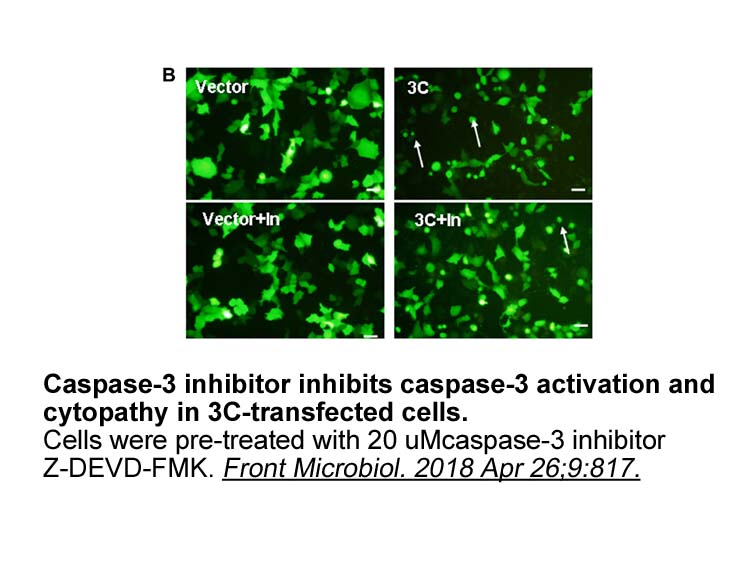
DDR1 upregulation in patients with kidney diseases such as lupus nephritis and Goodpasture's syndrome [8] as well as in animal models of kidney injury [7], [8], [18] suggests that DDR1 plays an important role in kidney disease. Studies in various mouse models of kidney injury indicate that DDR1 dele
-
br Conclusion br Acknowledgments br Introduction
2021-04-22
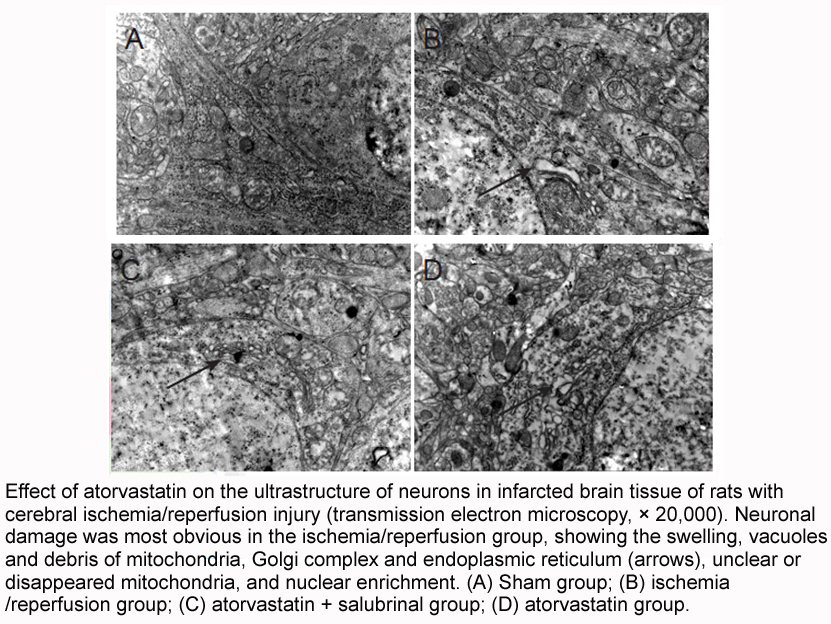
Conclusion Acknowledgments Introduction Arsenic (As) is one of the most toxic metals derived from the natural environment in soil, air and well water. It has two oxidative states: a trivalent form, arsenite, and a pentavalent form, arsenate. The inorganic As is more toxic than organic As. A
-
br Acknowledgement This research was
2021-04-22
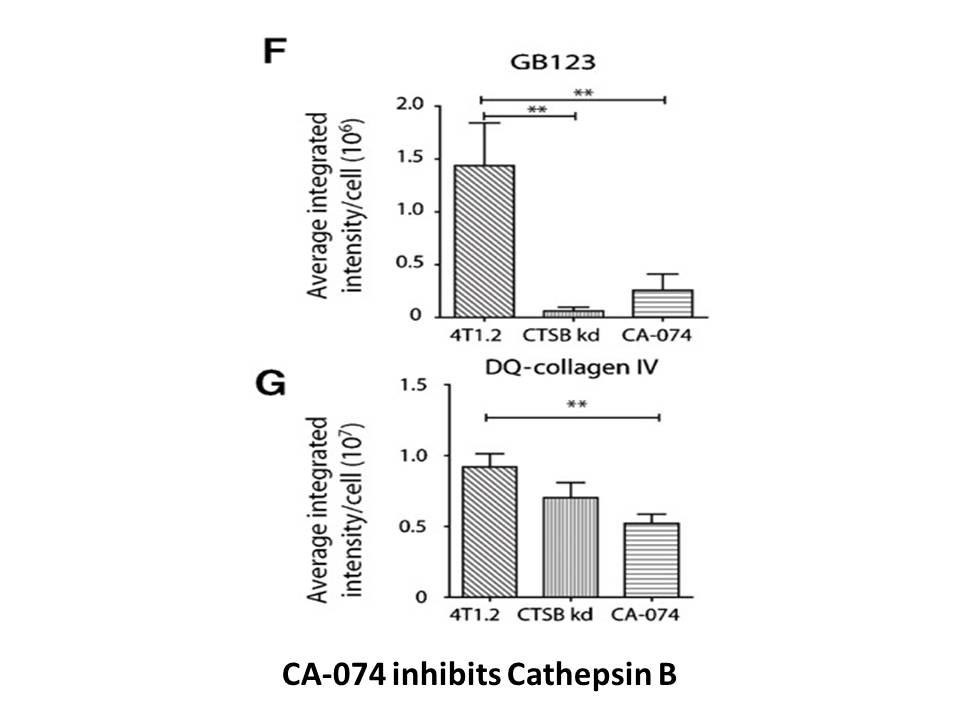
Acknowledgement This research was supported by a grant from the National Research Foundation of Korea (NRF-2013R1A1A2011238) funded to Young-Mi Lee. Introduction Stroke is considered a serious disease with high morbidity and high mortality. More than 6 million deaths are reported each year wo
-
Because aspirin and ibuprofen are NSAIDs
2021-04-22
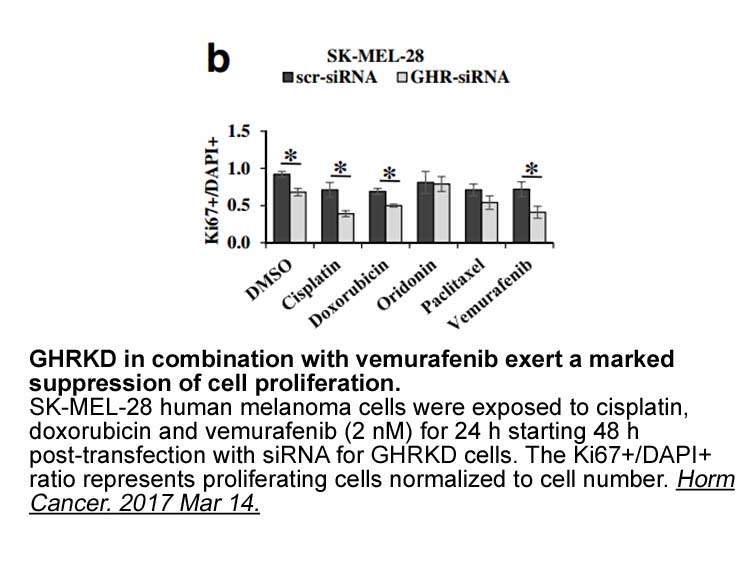
Because aspirin and ibuprofen are NSAIDs, both cause a variety of adverse effects, including stomach ulcers, stomach bleeding, coagulation disorders, Ivacaftor benzenesulfonate and cerebral microbleeds [13]. Moreover, both cause liver damage [10]. Laster [14] reported a patient with pericarditis tr
-
Several single nucleotide polymorphisms SNPs in humans affec
2021-04-22
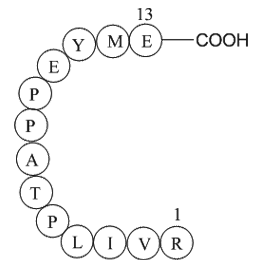
Several single nucleotide polymorphisms (SNPs) in humans affect CYP3A expression and activity (Lamba et al., 2002). The CYP3A4 SNP rs2740574 (also referred to as CYP3A4*1B, by The Human Cytochrome P450 (CYP) Allele Nomenclature Database, http://www.cypalleles.ki.se/) is a change in the promoter regi
-
Unlike CRM exportins Cse and Xpot
2021-04-22
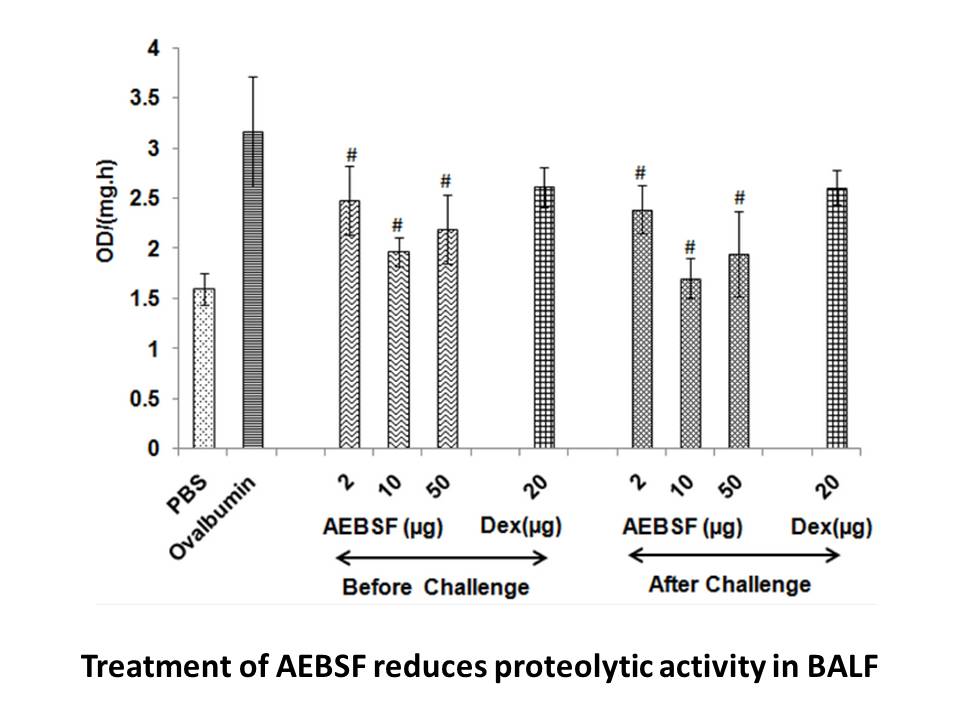
Unlike CRM1, exportins Cse1 and Xpot lack a C-extension and instead rely primarily on changes in HEAT-repeat conformation and direct Ran-cargo contacts to ensure low cargo-binding affinity in the cytosol and cooperative assembly of the exportin/Ran/cargo complex in the nucleus (Cook et al., 2005, Co
-
Several studies have described the role of NP in vRNP
2021-04-22
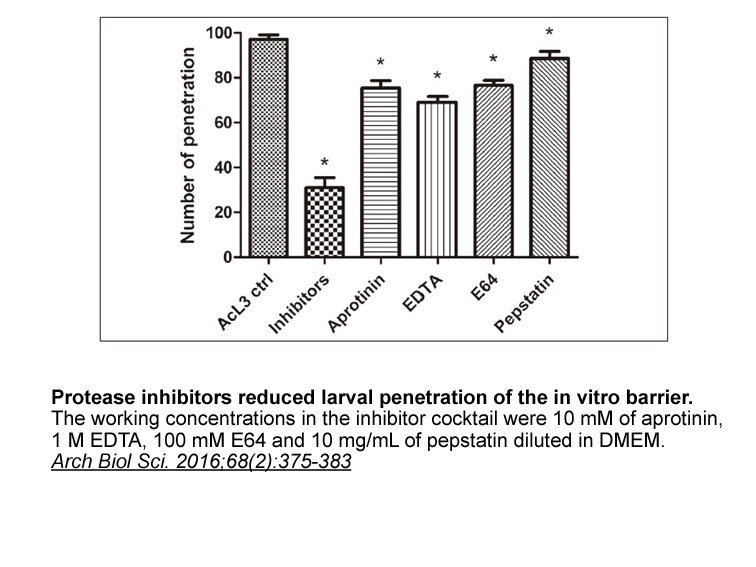
Several studies have described the role of NP in vRNP nuclear export. For example, leptomycin B (LMB), an inhibitor of the CRM1 nuclear export signal (NES) binding domain (Kudo et al., 1999), inhibits nuclear export of vRNP and NP, but not NEP or M1, in virally infected or transfected Rifabutin sale
-
On top of the hardware ASTS employs Linux SUSE with
2021-04-22
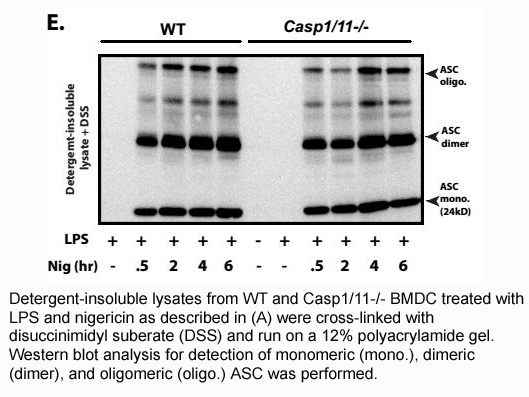
On top of the hardware, ASTS employs Linux SUSE with High-Availability (HA) Extension: a COTS OS provided with two clustering software (Pacemaker Cluster Resource Manager (CRM) and Corosync) responsible for resources orchestration, failure diagnosis, nodes coordination, and fail-over management. The
15696 records 665/1047 page Previous Next First page 上5页 661662663664665 下5页 Last page