Archives
- 2026-11
- 2026-10
- 2026-09
- 2026-08
- 2026-07
- 2026-06
- 2026-05
- 2026-04
- 2026-03
- 2026-02
- 2026-01
- 2025-12
- 2025-11
- 2025-10
- 2025-09
- 2025-03
- 2025-02
- 2025-01
- 2024-12
- 2024-11
- 2024-10
- 2024-09
- 2024-08
- 2024-07
- 2024-06
- 2024-05
- 2024-04
- 2024-03
- 2024-02
- 2024-01
- 2023-12
- 2023-11
- 2023-10
- 2023-09
- 2023-08
- 2023-06
- 2023-05
- 2023-04
- 2023-03
- 2023-02
- 2023-01
- 2022-12
- 2022-11
- 2022-10
- 2022-09
- 2022-08
- 2022-07
- 2022-06
- 2022-05
- 2022-04
- 2022-03
- 2022-02
- 2022-01
There is little question that as
2024-04-27
There is little question that as we become more proficient in the diagnosis of arginase 1 deficiency individuals with intermediary elevations in arginine on newborn screening and partial defects in enzymatic activity will be found. There are no reliable data to determine a safe level of arginine and
AP plays a pivotal role in transcriptional regulation of MMP
2024-04-27

AP-1 plays a pivotal role in transcriptional regulation of MMP expression. The decoy technique allows the neutralization of AP-1 without any transfection reagents for cellular uptake that cause potential side effects or immune reactions. This energy-dependent transport mechanism of “naked” dODN is c
Once apoptosis has been initiated the HMGA proteins themselv
2024-04-27
Once apoptosis has been initiated the HMGA proteins themselves undergo marked changes in both the types and extent of their post-translational modifications (PTMs; review in [149,175]), some of which are likely correlated with alterations in chromatin structure. For example, the early stages of apop
br Method of literature search br
2024-04-27
Method of literature search Disclosures Acknowledgment The authors thank and acknowledge Mrs. Jaini Parekh, BFA, for illustrating the diagram in Figure 1. An overview of angiogenesis Angiogenesis is a biological process through which there is the formation of new blood vessels from pre-
br Introduction AMPA receptors AMPARs mediate
2024-04-27
Introduction AMPA receptors (AMPARs) mediate the majority of fast excitatory postsynaptic currents (EPSCs) in the Aldicarb (Jonas, 2000). The brevity of EPSCs and rapid deactivation of AMPARs depend upon a short lifetime of synaptically released glutamate, estimated to be about 1 ms (Clements et
The enzyme mediated ATP sensing mechanism
2024-04-26
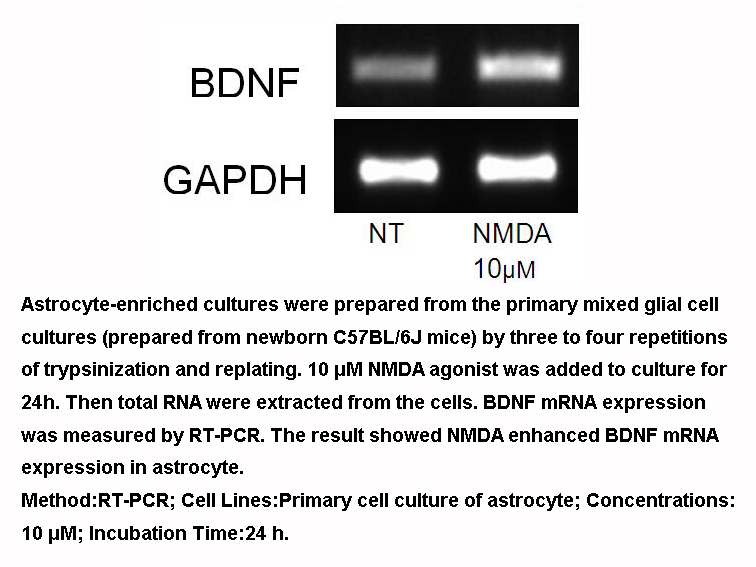
The enzyme-mediated ATP-sensing mechanism in zebrafish can be compared with previous studies in other animal species reporting that enzymatic conversion of chemicals in the peripheral olfactory organ results in either “activation” or “inactivation” of odorants and pheromones. In male silkmoth, the a
Serum soluble sCD is a shedding product from
2024-04-26
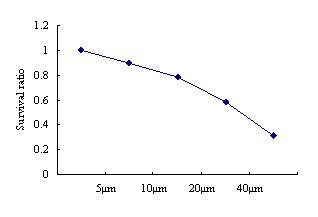
Serum soluble sCD21 is a shedding product from the ectodomain of membrane CD21 after B cell activation (Masilamani et al., 2003, Masilamani et al., 2004a, Masilamani et al., 2004b, Grottenthaler et al., 2006, Hoefer et al., 2008), which resembles the ligand-binding capacity of intact CD21 (Wu et al.
br Materials and methods br Results br
2024-04-26
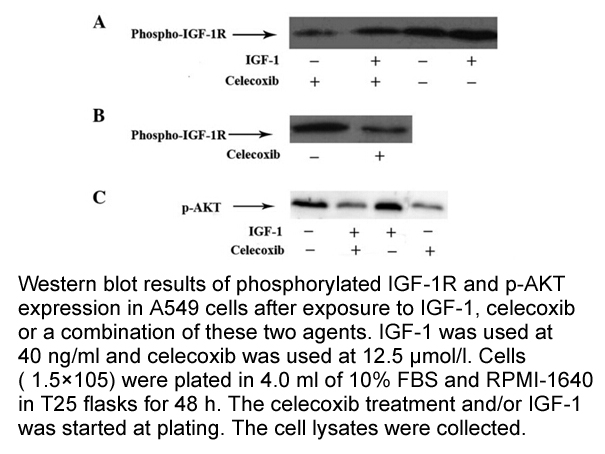
Materials and methods Results Discussion The data presented here demonstrate the important role of B lymphocyte-expressed α7 nAChRs in regulating the antibody immune response. It is shown that, in addition to ACh produced by activated T lymphocytes (Fujii et al., 2012), activated B lymphocy
Macrophage polarization is linked to activation of the ligan
2024-04-26
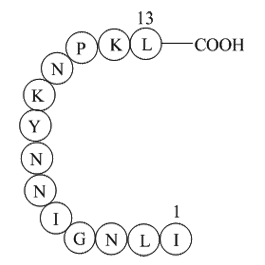
Macrophage polarization is linked to activation of the ligand-dependent transcription factor PPARγ. Recently, Odegaard et al. demonstrated with a macrophage-specific deletion of PPARγ in mice that alternative macrophage activation is impaired [14]. We provided evidence that contact to apoptotic LMK
The molecular mechanisms involved in the pathogenesis of cho
2024-04-26
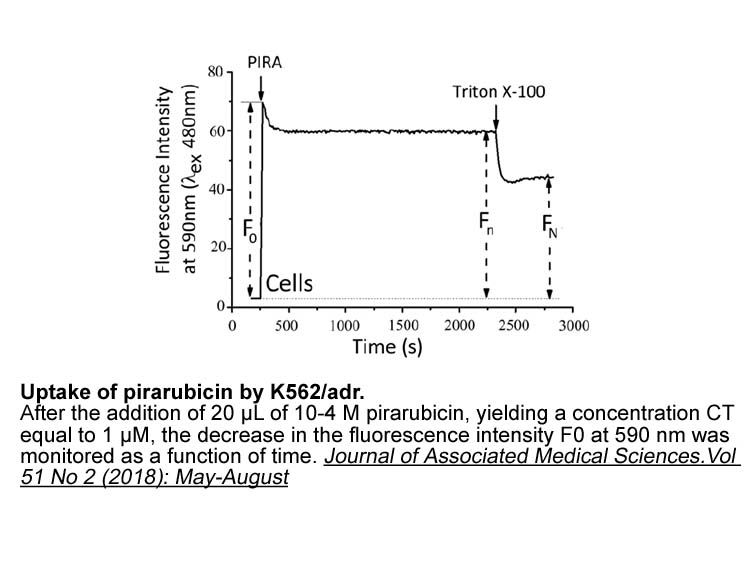
The molecular mechanisms involved in the pathogenesis of cholestatic pruritus remain unknown [45], [46]. Indeed, there has been an enormous effort at understanding the etiology of PBC-related pruritus, including work at the cellular and molecular level, but such efforts have not been translated into
br Conflict of interest br Acknowledgments This work
2024-04-26
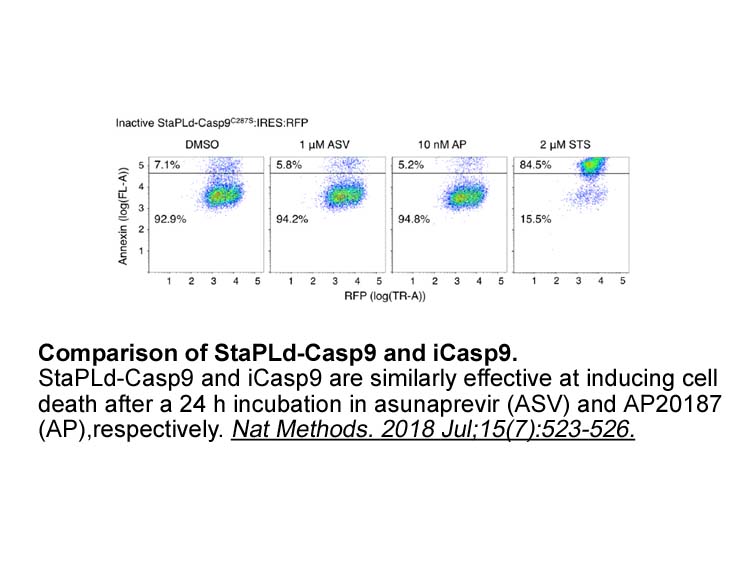
Conflict of interest Acknowledgments This work was been partially supported by the following grants: C.I.S.I.A. project (Innovazione e Sviluppo del Mezzogiorno—Conoscenze Integrate per Sostenibilità ed Innovazione del Made in Italy Agroalimentare—Legge 191/2009) from the Italian Ministry of Ec
The apoptosis promoting Bcl family includes
2024-04-26
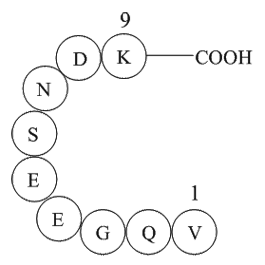
The apoptosis-promoting Bcl-2 family includes BH3-only proteins (e.g., Bim, Bid and Bad) and multiple-domain proteins (e.g., Bax and Bak). At the time of apoptosis stimulation (e.g., DNA damage), only the BH3-only protein is activated, directly or indirectly promoting Bax/Bak oligomerization, changi
br Discussion br Acknowledgments Writing of this review
2024-04-26
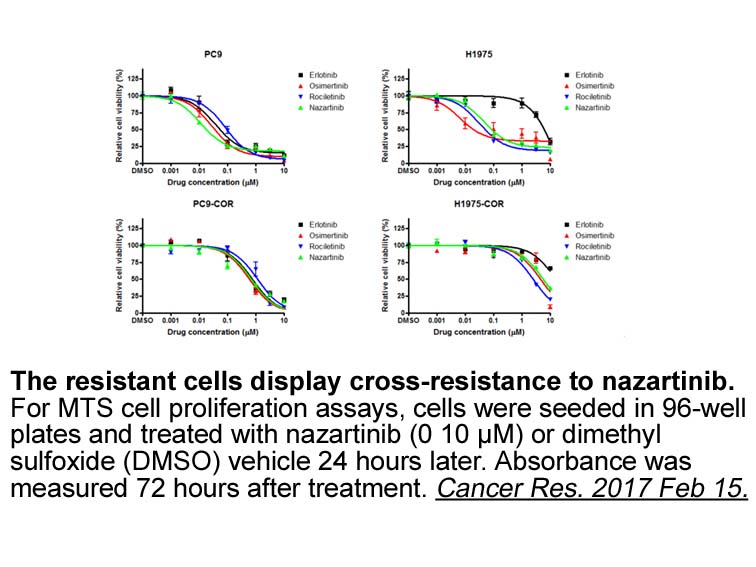
Discussion Acknowledgments Writing of this review and collection of data from our laboratories that are presented were supported by a grant from the Belgian Science Policy (BELSPO) SSTC Interuniversity Attraction Poles Plastoscine P7/17 to AVDL and JB, multiple grants from the Fund for Scienti
We have shown that an extensive
2024-04-26
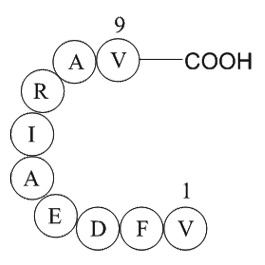
We have shown that an extensive region in SERBP1 (amino acids 354 to 474, using co-ordinates based on the full-length isoform, Figs. 1a and 2) is necessary for it to interact with RACK1; since this region has substantial homology to the corresponding region of HABP1 (Fig. 3) it is a reasonable hypot
Although only Leu CysAP IRAP Herbest et al
2024-04-25
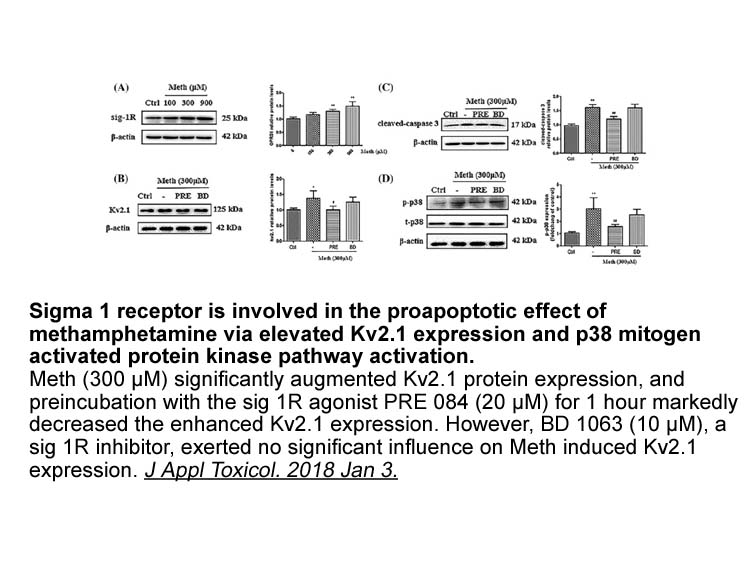
Although only Leu/CysAP (IRAP) (Herbest et al., 1997, Keller, 2004) and DPPIV (Alponti and Silveira, 2010, Kirino et al., 2009) had been identified and studied in adipocytes, our kinetic analysis suggested the highest physiological significance for AspAP (highest affinity) and APM and PSA (highest e
7958 records 197/531 page Previous Next First page 上5页 196197198199200 下5页 Last page